Source Hot Dipped Galvanized PPGI for Boiler, Container, and Structural Uses
Compare 30 listings for hot dipped galvanized PPGI steel plates and coils from verified Chinese suppliers. Evaluate specifications including thickness, width, and surface treatments like galvanizing and coating for applications in boiler, container, and structural industries.
Key considerations
Products List




Comprehensive Sourcing Guide
Strategic Sourcing Guide for Hot Dipped Galvanized PPGI
Understanding Product Specifications and Technical Attributes
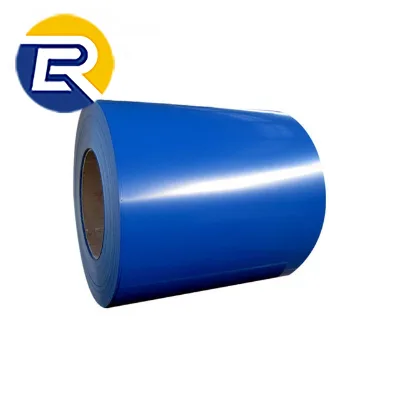
When sourcing hot dipped galvanized PPGI (Pre-Painted Galvanized Iron), buyers must first distinguish between the base material properties and the final coated product characteristics. The core material often originates from regions known for steel production, such as Hebei Tangshan or Shandong in China, though origin verification is critical for supply chain transparency. The product typically exists in two primary forms: coil and plate. Coil specifications frequently include a Coil ID of 508mm or 610mm, with widths ranging from 600mm to 1250mm. Plate forms are often categorized by specific model numbers such as 0.6mm1219mm, 1.21000c, or 0.31000, indicating precise dimensional requirements.
Thickness is a variable parameter that buyers must define with precision. Observed market data indicates thickness ranges from 0.5mm to 2.5mm, with custom thickness options available to meet specific structural needs. The manufacturing technique is a pivotal differentiator, with products available in both Hot Rolled and Cold Rolled variants. Hot rolled processes are common for structural applications, while cold rolled techniques are often preferred for applications requiring smoother surfaces and tighter tolerances. The edge condition is another critical observation; products may feature a Mill edge or a Slit edge, depending on the processing service required.
Surface treatment is the defining characteristic of this category. While the base steel undergoes hot dipping for galvanization, the final product often features additional surface treatments such as Coated or Galvanized finishes. The coating application is highly specific, with top coats typically ranging from 10 to 25 microns and back coats from 5 to 12 microns. This dual-coat system ensures durability and aesthetic consistency. Color options are extensive, often adhering to RAL color standards, allowing for customization in architectural and industrial projects. The product is generally stocked, ensuring immediate availability for urgent procurement needs, though lead times for customized orders can vary between 7 to 15 working days.
Compliance, Certification, and Technical Standards
Navigating the complex landscape of international steel standards is essential for ensuring that purchased materials meet regulatory and safety requirements. The supply chain for hot dipped galvanized PPGI is governed by a diverse array of technical standards, including AISI, ASTM, BS, DIN, GB, and JIS. Buyers must verify that the supplier adheres to the specific standard required for their project's jurisdiction. For instance, certain applications may strictly require GB or JIS standards, while others might mandate ASTM or DIN compliance. The technical standard for the product itself is often listed as Cold Rolled or Hot Rolled, reflecting the manufacturing process used.
Certification serves as a third-party validation of quality and safety. High-confidence observations indicate that reputable suppliers often hold certifications such as IBR (Indian Boiler Regulation), ISO (International Organization for Standardization), and RoHS (Restriction of Hazardous Substances). These certifications are not merely marketing tools but are critical for projects in the chemical industry, electric power industry, water engineering, and petrochemical sectors. The presence of IBR certification, for example, is a strong indicator that the material meets rigorous pressure vessel and boiler safety requirements. Similarly, ISO certification suggests adherence to international quality management systems, while RoHS compliance ensures the material is free from specific hazardous substances, a requirement for many export markets.
Buyers should also verify the "Standard Specifications" versus "Customized" nature of the product. While many suppliers offer standard specifications, custom orders require a deeper review of the technical documentation. The product model numbers, such as Q195, Q235, Q275, Q355, S235, SS400, and A36, represent specific steel grades with varying mechanical properties. It is the buyer's responsibility to match these grades to the structural demands of the application. For instance, Q235 and A36 are common for general structural use, while higher grades like Q355 may be required for high-strength applications. The verification of these grades against the stated technical standard is a non-negotiable step in the procurement process.
Cost Drivers and Economic Factors in Procurement
The pricing of hot dipped galvanized PPGI is influenced by a complex interplay of raw material costs, processing complexity, and logistical factors. The observed price range in the market is between $450 and $1,250 USD, though this figure is highly dependent on the specific thickness, coating weight, and order volume. The Minimum Order Quantity (MOQ) is a significant cost driver, with observed ranges spanning from 1 unit to 30 units, and specific MOQs often set at 1 Ton. Buyers with smaller volume requirements may face higher per-unit costs or may need to consolidate orders to meet the supplier's threshold.
Lead time is another critical economic factor. While some suppliers offer stock availability for immediate delivery, customized orders typically require a lead time of 7 to 15 days. This duration can fluctuate based on the complexity of the coating process, the specific color requirements, and the current production capacity of the supplier. Payment terms, such as TT (Telegraphic Transfer) or LC (Letter of Credit), also impact the financial dynamics of the transaction. Buyers should be aware that longer lead times or complex customization can increase the overall cost of ownership due to inventory holding costs and potential project delays.
Packaging standards also play a role in the final cost. Products are typically shipped in seaworthy packing, export-worthy packages, or standard sea transport packaging. The choice of packaging can affect freight costs and the risk of damage during transit. For long-distance shipping, robust packaging is essential to protect the coated surface from corrosion and physical damage. Buyers should evaluate whether the supplier offers customized packaging solutions, which may incur additional costs but provide better protection for high-value or sensitive shipments. Understanding these cost drivers allows buyers to negotiate more effectively and plan their budgets with greater accuracy.
Typical Applications and Industry Use Cases
Hot dipped galvanized PPGI is a versatile material utilized across a wide spectrum of industries, driven by its durability, corrosion resistance, and aesthetic appeal. The primary applications include boiler plates, container plates, flange plates, ship plates, and mold & dies. In the construction sector, the material is frequently used for structural steel bars and high-strength steel plates, where the combination of strength and weather resistance is paramount. The "High-strength Steel Plate" attribute highlights its suitability for demanding structural applications where load-bearing capacity is critical.
The industrial sector also relies heavily on this material for chemical industry equipment, electric power infrastructure, water engineering projects, and petrochemical facilities. The resistance to chemical corrosion makes it an ideal choice for environments exposed to harsh chemicals or moisture. In the shipping and marine industries, the material's ability to withstand saltwater exposure is a key advantage. The "Ship Plate" application specifically denotes its use in vessel construction, where longevity and safety are non-negotiable.
Furthermore, the material is used in the manufacturing of cutters in common steel, indicating its role in tooling and machinery components. The "Special Use" category often includes high-strength applications where standard steel grades would fail. The versatility of the product is further enhanced by its availability in various shapes, including plates and coils, allowing for flexibility in manufacturing processes. Whether for roofing, cladding, or structural framing, the material's adaptability makes it a preferred choice for engineers and procurement specialists across diverse sectors.
Supplier Evaluation and Quality Control Protocols
Selecting a reliable supplier for hot dipped galvanized PPGI requires a rigorous evaluation process that goes beyond price comparisons. Buyers should prioritize suppliers who demonstrate transparency in their origin, with clear documentation of production locations such as Hebei Tangshan or Shandong, China. The availability of stock is a positive indicator of supply chain stability, but buyers must also assess the supplier's ability to handle customized orders with the required precision.
Quality control is paramount in this industry. Buyers should verify that the supplier implements strict quality assurance measures, including surface treatment inspections, coating thickness verification, and mechanical property testing. The presence of certifications like IBR, ISO, and RoHS is a strong proxy for a supplier's commitment to quality. However, buyers should not rely solely on these certifications; they should request specific test results and quality reports for each batch of material. The ability to provide detailed documentation on the coating process, including the specific micron thickness of the top and back coats, is essential.
The processing services offered by the supplier, such as bending, welding, decoiling, cutting, and punching, are also critical factors. A supplier that offers comprehensive processing services can reduce the need for secondary manufacturing, streamlining the supply chain. Buyers should evaluate the supplier's capacity to handle these services in-house or through trusted partners. Additionally, the customization availability should be confirmed, ensuring that the supplier can meet specific requirements for thickness, width, and color. A supplier's willingness to engage in a detailed technical dialogue and provide samples is a strong indicator of their reliability and commitment to customer satisfaction.
Long-Term Procurement and Strategic Considerations
Sourcing hot dipped galvanized PPGI is not just a transactional activity but a strategic decision that impacts long-term project success. Buyers should consider the total cost of ownership, which includes not only the purchase price but also the costs associated with installation, maintenance, and potential replacement. The durability of the galvanized and painted coating directly influences the lifespan of the final product, making it a critical factor in long-term planning.
Supply chain resilience is another key consideration. Buyers should diversify their supplier base to mitigate risks associated with geopolitical tensions, trade restrictions, or production disruptions. Establishing long-term relationships with reliable suppliers can provide better pricing, priority production slots, and more flexible payment terms. The ability of the supplier to adapt to changing market conditions and regulatory requirements is also crucial.
Finally, buyers should remain vigilant about the evolving standards and certifications in the steel industry. As environmental regulations become stricter, the demand for RoHS-compliant and eco-friendly materials will likely increase. Staying informed about these trends and ensuring that suppliers are prepared to meet future requirements will position buyers for long-term success. By adopting a holistic approach to procurement that balances technical specifications, cost, quality, and strategic alignment, buyers can secure a reliable supply of hot dipped galvanized PPGI that meets their current and future needs.
FAQs
What standards apply to hot dipped galvanized ppgi?
Products comply with AISI, ASTM, BS, DIN, GB, and JIS standards. Specific projects may require GB or JIS compliance, while others mandate ASTM or DIN adherence for regulatory safety.
Can I customize thickness and dimensions for this steel?
Custom thickness and dimensions are available to meet specific structural needs. The standard thickness ranges from 0.5mm to 2.5mm, with custom options provided for specialized applications.
Which certifications ensure safety for boiler and chemical use?
Reputable suppliers hold IBR, ISO, and RoHS certifications. These validate quality for boiler plates and chemical industry equipment, ensuring compliance with pressure vessel and hazardous substance regulations.
How long is the delivery time for stock items?
Stock items are available for immediate delivery, while customized orders take 7 to 15 working days. Lead times vary based on coating complexity and current production capacity.
What is the minimum order quantity for this product?
The minimum order quantity ranges from 1 to 30 units, with specific thresholds often set at 1 Ton. Buyers with smaller volume requirements may need to consolidate orders to meet supplier thresholds.
Where are these steel products manufactured?
Products originate from Hebei Tangshan and Shandong, China. Buyers must verify the specific production location for supply chain transparency and to ensure adherence to regional quality standards.
What surface treatment options are available for coating?
Surface treatments include Galvanized and Coated finishes with specific micron thicknesses. Top coats range from 10 to 25 microns, while back coats are typically 5 to 12 microns for durability.